SECTORS
At MorganCarr, we have extensive experience delivering projects across a wide range of sectors. We provide tailored solutions that meet the unique demands of each sector, ensuring every project is delivered efficiently, safely, and to the highest standard.
Hotels
Hotel projects typically include refurbishments or new-builds within operational properties. Considerations include guest-facing areas, circulation, back-of-house operations, and plant or services upgrades. Works are phased and coordinated to maintain operational continuity while meeting brand standards and functional requirements.
Food & Beverages
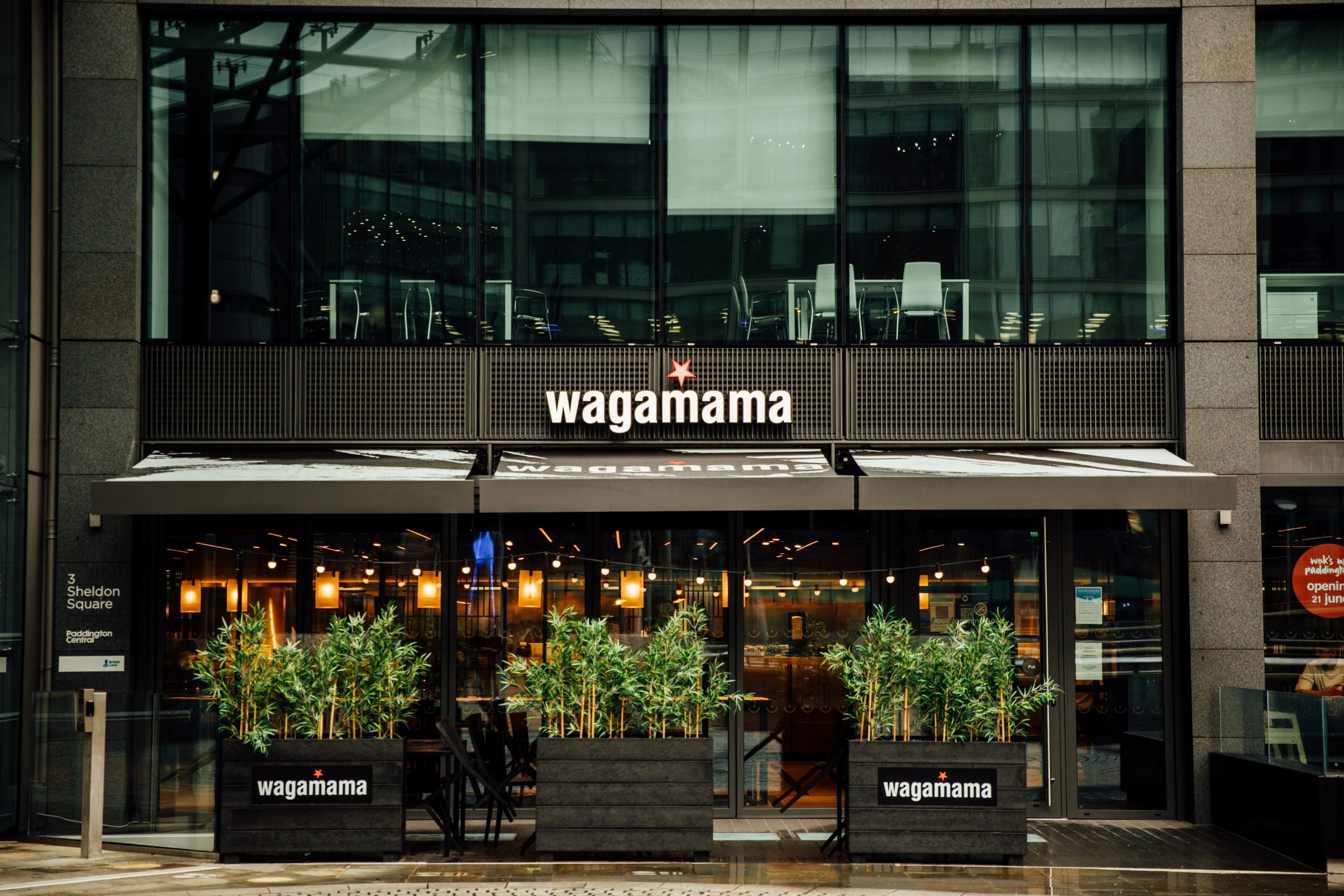
Food & Beverage projects often involve complex kitchen layouts, back-of-house services, and specialist ventilation and extraction systems. Careful planning is required to minimise disruption to trading environments, coordinate technical installations, and ensure compliance with health, safety, and hygiene standards.
Retail & Leisure
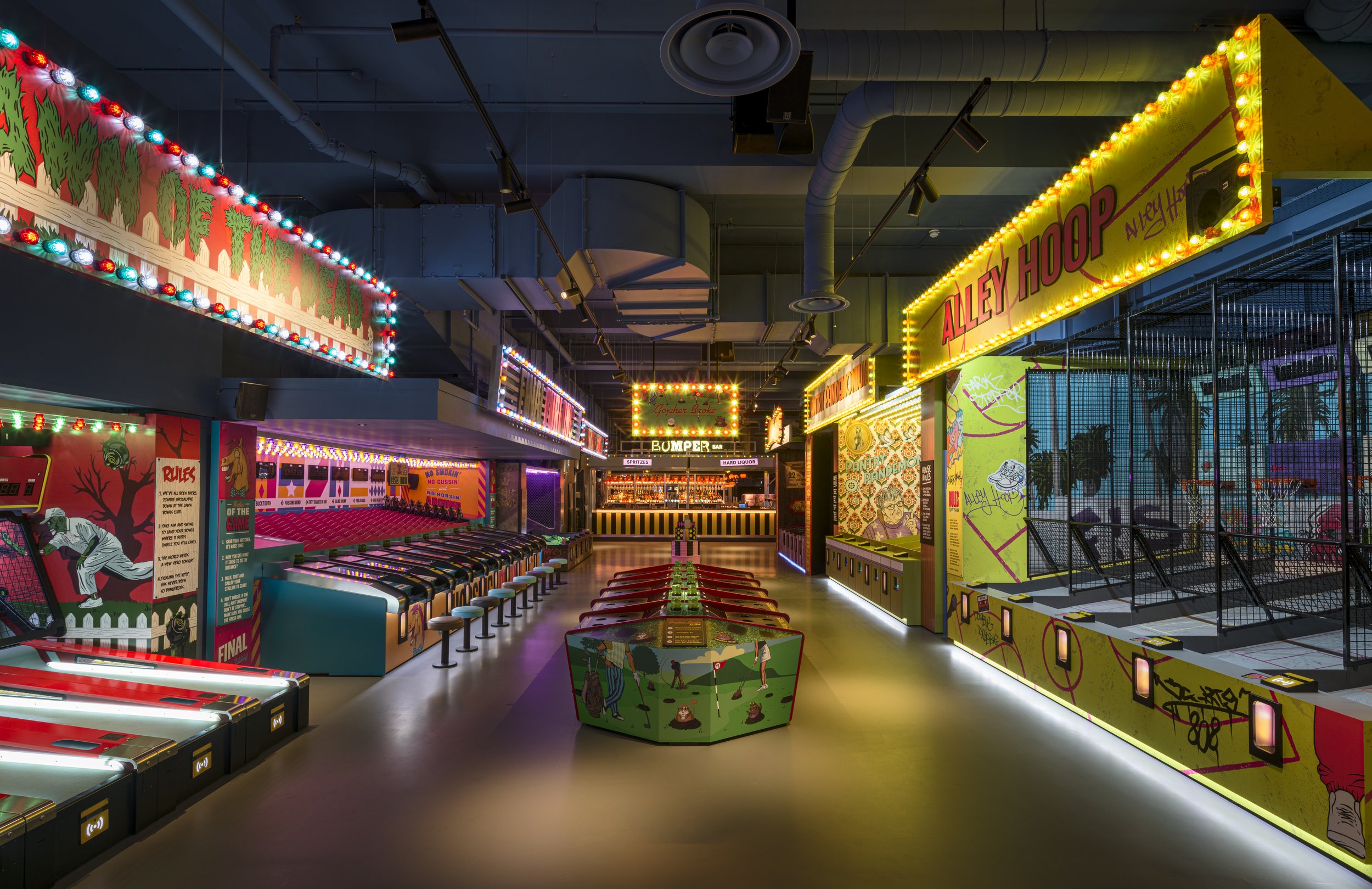
Retail and leisure schemes often take place in high-footfall, operational environments. Projects require careful coordination of fit-outs, M&E services, and landlord or regulatory approvals, with programmes designed to minimise disruption and maintain safety and accessibility for customers and staff.
Community
Community projects - such as schools, civic buildings, and public facilities - require planning around operational schedules, safeguarding, and accessibility standards. Projects are coordinated to minimise disruption to staff, pupils, or the public while meeting regulatory, functional, and long-term community objectives.
Residential
Residential developments, from single homes to multi-unit schemes, require attention to compliance, structural works, services coordination, and quality control. Phased delivery plans help limit impact on existing residents or neighbouring properties while ensuring the project meets standards of finish, functionality, and programme objectives.
Commercial
Commercial projects include office fit-outs, refurbishments, and mixed-use schemes. Considerations include occupied building logistics, access, noise, and service upgrades. Clear coordination ensures works are delivered efficiently, with minimal disruption to business operations, and aligned with functional requirements.